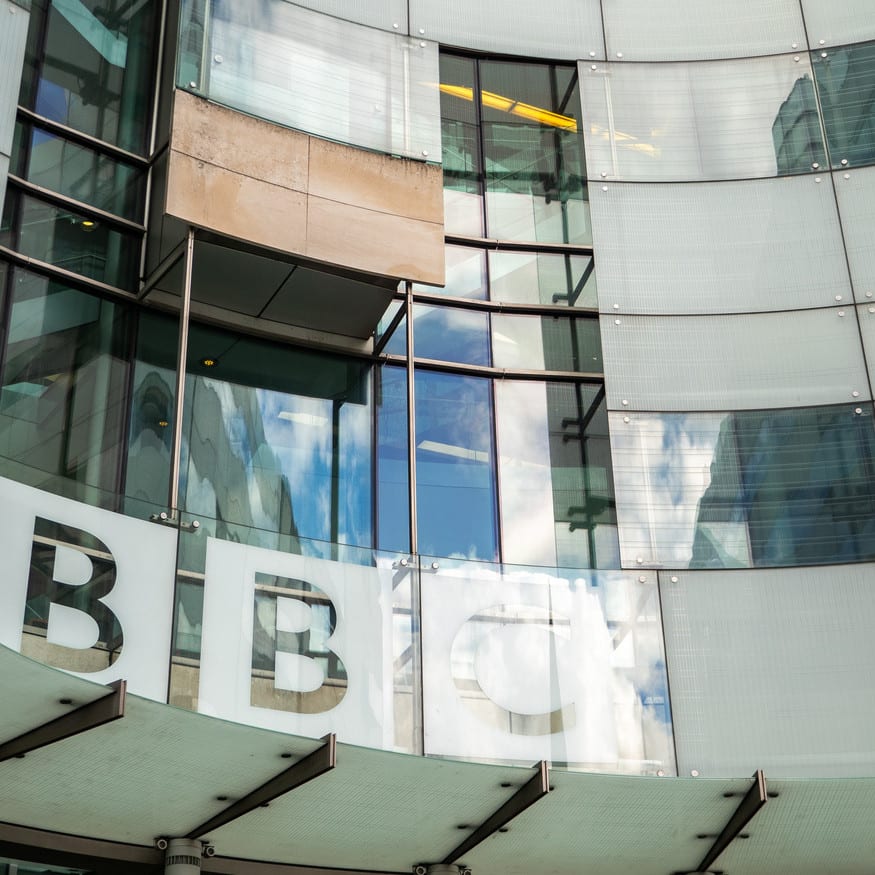
The British Broadcasting Corporation has established a contingency strategy to maintain public information broadcasts via FM radio during prolonged national power outages, according to Security Affairs.
The BBC plan addresses the risks of a Black Sky event, where simultaneous failures of electricity, water and communication networks occur. To ensure continuity, the broadcaster has prepared a self-sufficient studio capable of operating for at least 72 hours without internet access. This facility relies on diesel generators and independent transmission infrastructure to broadcast pre-prepared government guidance.
Approximately 100 staff members are designated to manage these operations, utilizing satellite phones and terrestrial radio signals to reach the public when digital networks fail. The initiative follows concerns regarding the vulnerability of modern infrastructure, as highlighted by past flooding incidents and regional blackouts.
While the government promotes its Be Ready campaign, which encourages citizens to keep battery-powered radios and emergency supplies, experts warn that the ongoing transition away from copper landlines may further complicate communication during crises. The BBC maintains that its reliance on older, analog technology serves as a critical redundancy, ensuring that essential instructions remain accessible even if the primary power grid and digital systems collapse.
Source: Security Affairs
Written by
Kelley Damore
Chief Content Officer
CyberRisk Alliance
Kelley Damore is Chief Content Officer at CyberRisk Alliance, where she leads content strategy across the company’s digital brands, research, communities and live events serving CISOs and security practitioners. At CyberRisk Alliance, she is focused on delivering 365-day engagement, trusted journalism and actionable insights to help security leaders navigate an increasingly complex threat landscape.